+525547411391 +34654503682

$message.operated_by, $message.partner

Cruises through the

Southeast Asia

HISTORY

History

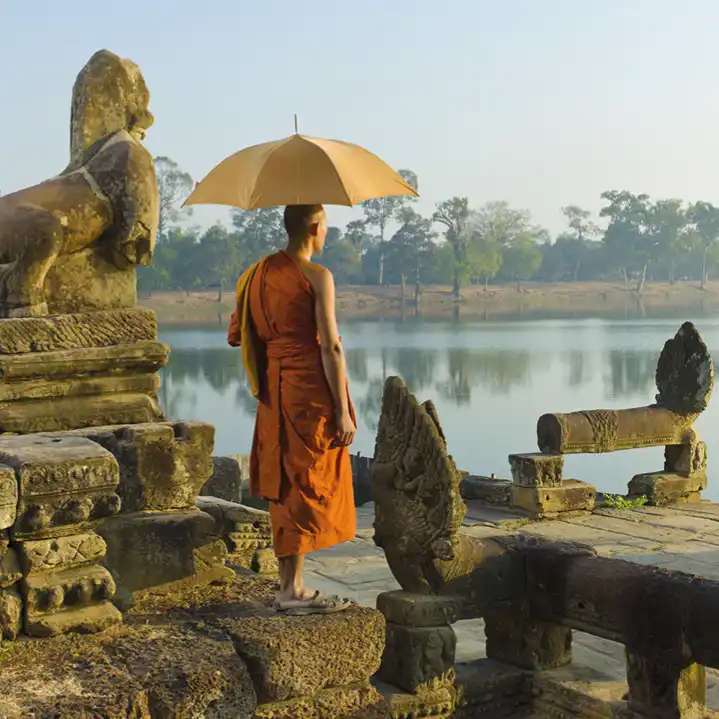
The history of Southeast Asia is rich and diverse, marked by ancient civilizations, religious influences, and periods of colonization. From the ancient empires of Angkor in Cambodia and Srivijaya in Indonesia, the region was a crossroads of trade routes that attracted cultural and religious influences from India and China, such as Hinduism, Buddhism, and Islam. In the modern era, European colonial powers, such as the British, Dutch, and French, occupied much of the region, leaving a lasting legacy. After World War II, most countries in Southeast Asia achieved independence, subsequently experiencing rapid economic and social changes. Today, the region is a vibrant melting pot of cultures and emerging economies.

FOOD

Food

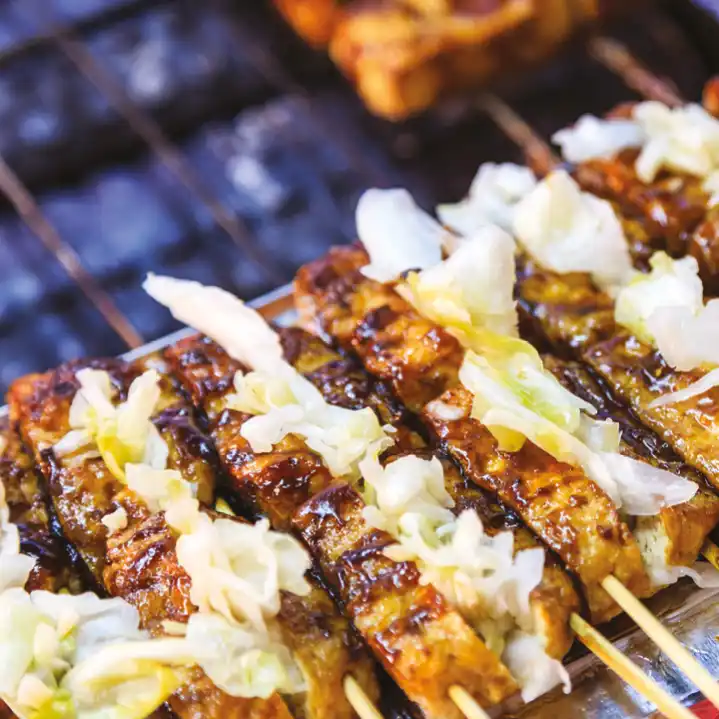
The food of Southeast Asia is diverse and vibrant, reflecting the cultures and traditions of each country. In Thailand, balanced flavors of spicy, sweet, and sour stand out, as in pad thai and tom yum. Vietnam is famous for its freshness and dishes like pho and spring rolls. In Indonesia, the use of spices is intense in dishes like rendang and nasi goreng. Malaysia combines Chinese, Indian, and Malay influences in delights like laksa. Singapore, with its cultural mix, is a gastronomic paradise. Each country offers unique culinary experiences, rich in flavors and traditions.

the MOST VISITED PORTS

The most visited ports

On a cruise through Southeast Asia, you can explore iconic destinations such as: 


- Beijing, where you will discover the Forbidden City and the Great Wall. - Kyoto, famous for its ancient temples and traditional Japanese gardens. - Tokyo, which combines modernity and culture with its skyscrapers and vibrant neighborhoods. - Shanghai, dazzling with its futuristic architecture and its waterfront. - Bangkok, a mix of golden temples and bustling markets. - Hanoi, with its quiet lakes and the charm of the old quarter. - Singapore, surprises with its modernity and its vertical gardens.


Each of these destinations offers a unique experience that blends history, culture, and unforgettable landscapes.

CLIMATE

Climate

The climate of Southeast Asia is tropical, with a dry season (November to April) and a rainy one (May to October). During the dry season, the days are sunny and warm, ideal for exploring. It is recommended to wear light clothing and protect yourself from the sun; in the rainy season, a raincoat is essential.

CURRENCY

Currency

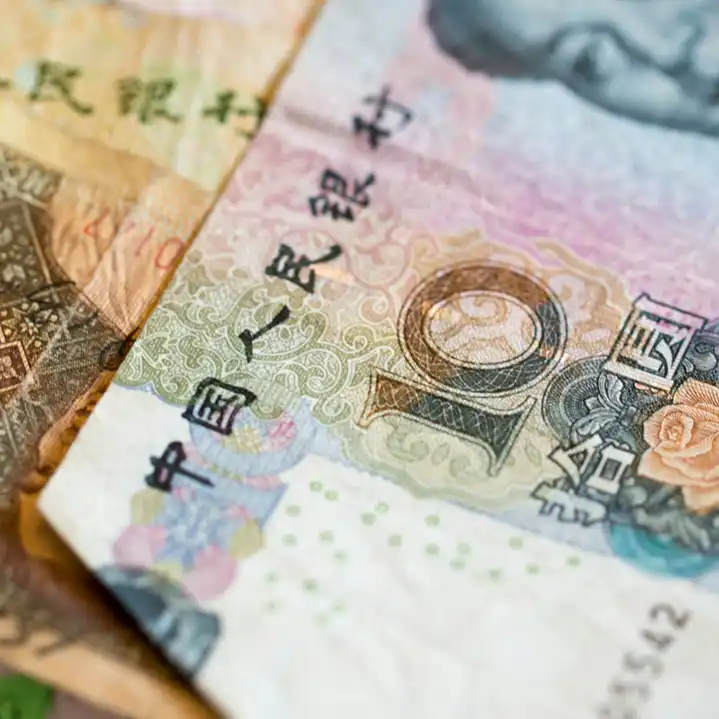
In Southeast Asia, each country has its local currency: the baht in Thailand, the dong in Vietnam, the rupiah in Indonesia, the peso in the Philippines, the ringgit in Malaysia, among others. Although in tourist areas it is possible to pay with credit and debit cards, cash remains the most used means of payment, especially in markets, small shops, and rural areas. ATMs are available in cities and tourist destinations, facilitating the obtaining of cash in local currency.

CURIOSITIES

Curiosities

- Ha Long Bay, Vietnam: This port is surrounded by almost 2,000 limestone islands and islets, creating a surreal landscape. Local legends say that dragons spat the stones to protect the coast from invaders.


- Floating temples of Bangkok, Thailand: Bangkok is known for its floating markets, where you can shop in a boat and try typical dishes. One of the most famous is the floating market of Damnoen Saduak.


- The port of Singapore and its futuristic architecture: Singapore is an ultramodern port with unique attractions like the vertical gardens of Gardens by the Bay and the infinity pool on the rooftop of Marina Bay Sands, perfect for photos.


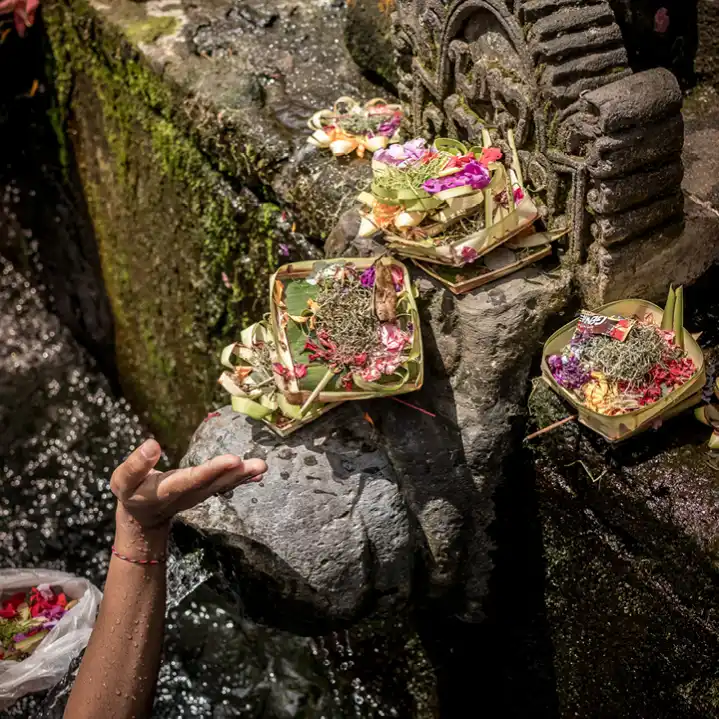
- Bali, Indonesia and its daily offerings: In Bali, it is common to see small offerings of flowers, incense, and food on the streets, temples, and homes, a religious tradition that brings a spiritual atmosphere to the place.


- Culinary heritage of Penang, Malaysia: Penang is famous for its street food, which blends Chinese, Malay, and Indian flavors. The night markets offer unique experiences for food lovers.


- The port of Yokohama, Japan and its hot springs: Just an hour from Tokyo, this port allows you to enjoy traditional hot springs or “onsen”, where you can relax while watching the sea, a cultural experience highly valued by locals.

What itineraries does Cunard offer in Southeast Asia?

Cunard offers Southeast Asia itineraries that allow you to experience several countries and cultures during the same voyage. Depending on the route and sailing date, destinations may include Singapore, Malaysia, Vietnam and Thailand, while some voyages form part of longer Asian journeys or World Voyage sectors. 


Which Cunard ships sail in Southeast Asia?

Cunard’s Southeast Asia programme can vary depending on the season and itinerary. Current long-distance and World Voyage itineraries include Queen Elizabeth, which visits destinations across the region as part of its extended voyages. 

What is the main language spoken on Cunard cruises in Southeast Asia?

The language of guest services can vary depending on the sailing and services available. On selected departures marketed in Spain, Spanish-language assistance may be available, so it is advisable to check the specific arrangements before booking.

Which destinations can I visit on a Southeast Asia cruise?

Depending on the itinerary, you can visit destinations such as Singapore, Penang and Port Klang in Malaysia, as well as other Asian ports. Longer voyages can also combine Southeast Asia with Hong Kong, Japan, South Korea and other destinations across the region. 

What can I do during port calls in Southeast Asia?

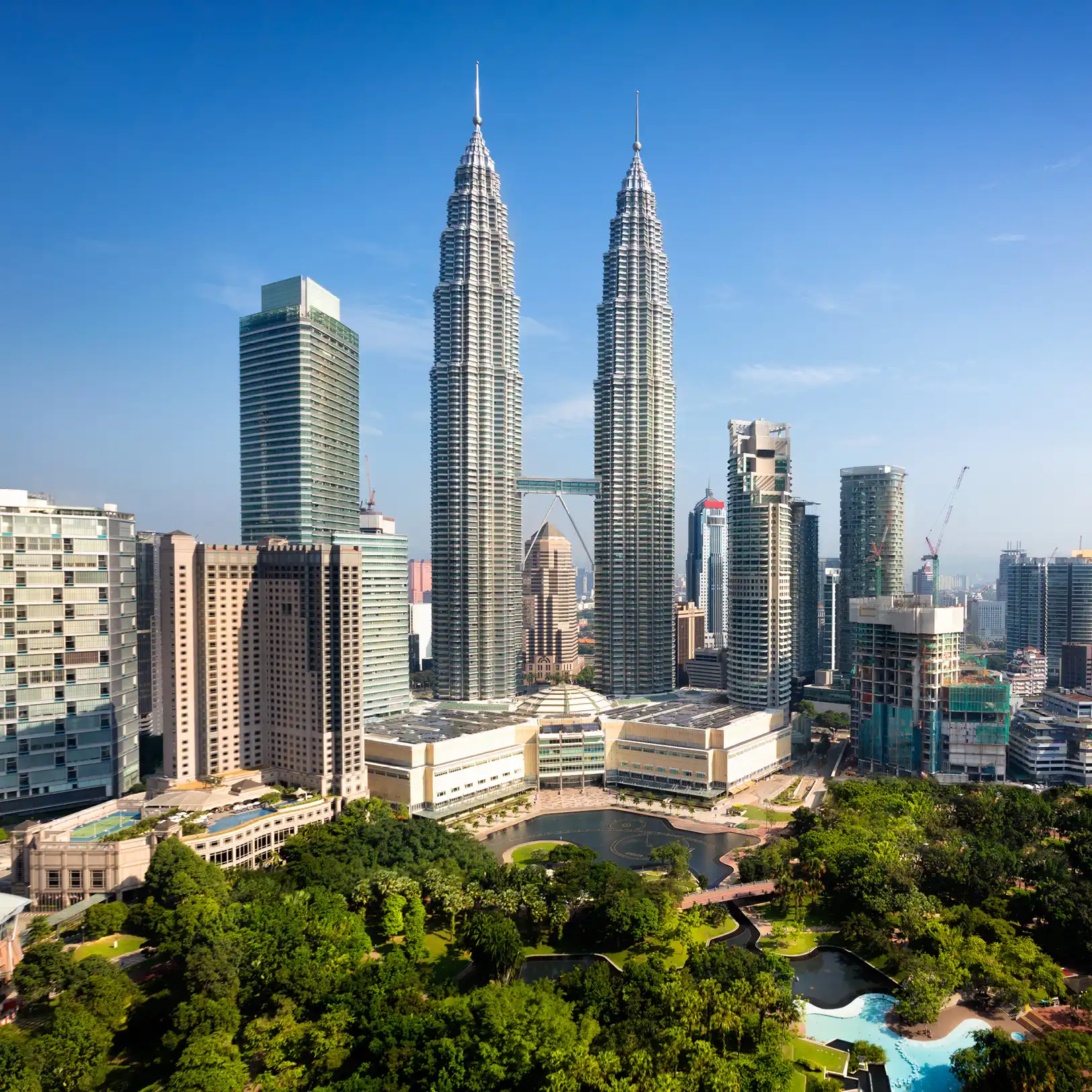
Port calls offer the chance to experience a remarkable variety of cultures, landscapes and traditions. You can visit temples, explore local markets, discover modern cities such as Singapore or Kuala Lumpur and sample regional cuisine, as well as join excursions to explore the areas surrounding each port. 


Can I combine Southeast Asia with Japan and other destinations in Asia?

Yes. Some longer itineraries connect Southeast Asia with other parts of Asia. For example, selected Cunard voyages link Singapore with Hong Kong, South Korea and Japan, allowing guests to discover several countries during one journey. 


What can I enjoy on board Cunard during a Southeast Asia cruise?

During sea days, you can enjoy restaurants, entertainment, live music, pools, lounges and a variety of activities. On Queen Elizabeth, you can also attend Cunard Insights talks and make the most of the ship’s elegant spaces while relaxing at sea. 

Do you have any questions about this cruise?

Contact us and we will guide you in everything you need.
We call you
Send question

Do you have any questions about this cruise?

Contact us and we will guide you in everything you need.
We call you
Send question