+525547411391 +34654503682

$message.operated_by, $message.partner

Cruises to

South America

The best of South America

HISTORY

History

The history of South America begins with the arrival of indigenous peoples like the Incas, who formed great civilizations and complex structures. In the 16th century, Spanish and Portuguese conquerors arrived, which led to the colonization and exploitation of resources. The mix of indigenous, African, and European cultures resulted in a rich cultural heritage. During the 19th century, South American nations fought for their independence, achieving emancipation from colonial powers. Throughout the 20th century, the region experienced dictatorships, conflicts and social movements, but also democratic and economic advances. Today, South America is a diverse continent, full of history and traditions that reflect its complex evolution.

FOOD

Food

The food in South America is varied and rich, reflecting the cultural diversity of the region. In Peru, the cuisine is famous for its ceviche and lomo saltado, combining indigenous and Spanish influences. Brazil is known for its feijoada and acarajé, while Argentina is famous for its asados and empanadas. In Colombia, dishes like bandeja paisa and sancocho are emblematic. Chile offers fresh seafood and pastel de choclo. In Venezuela, arepas and pabellón criollo are essential. Each country presents unique flavors and local ingredients, making South American cuisine a fascinating and varied culinary experience.

THE MOST VISITED PORTS

The most visited ports

On a cruise through South America, you can explore iconic destinations such as:


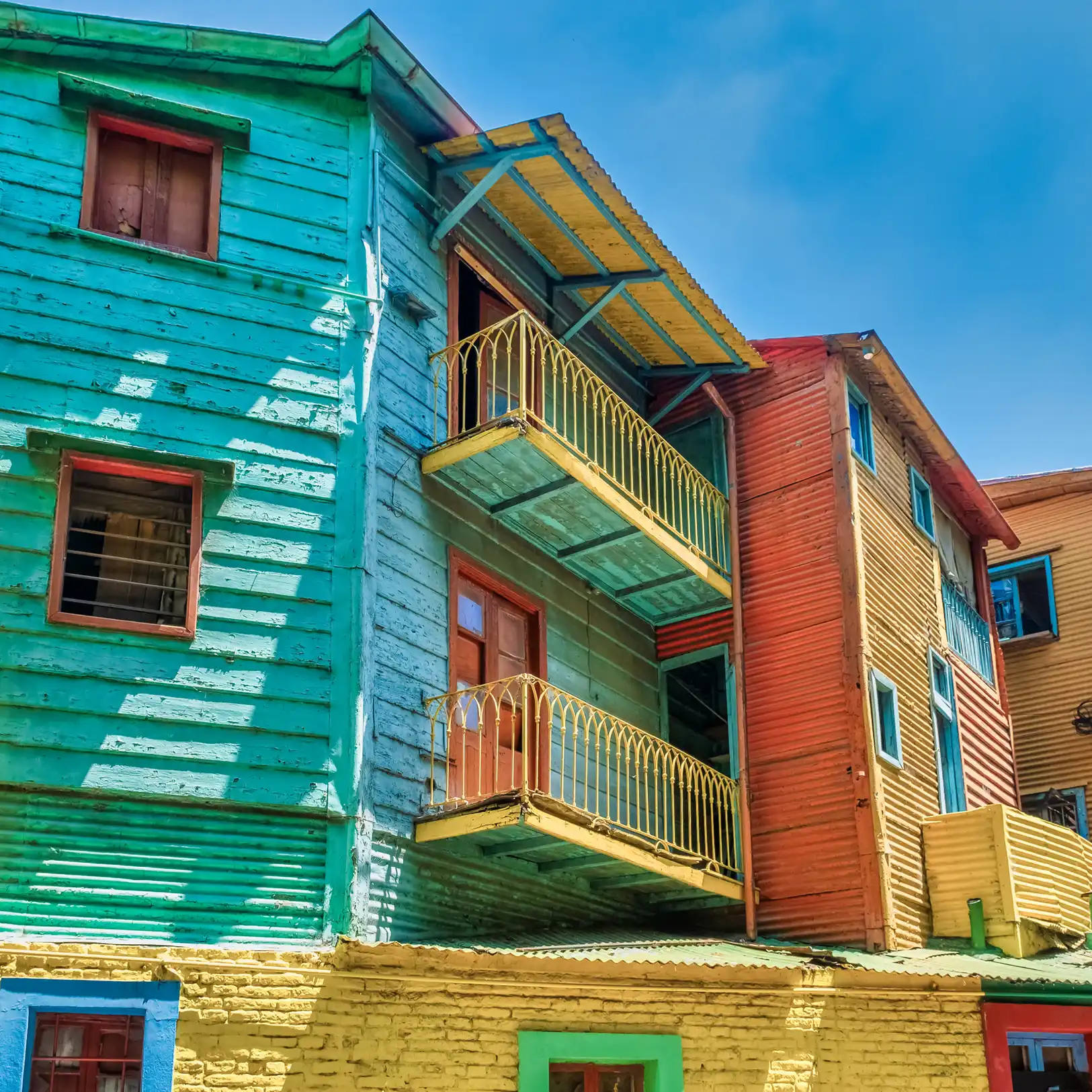
- Buenos Aires, famous for its vibrant tango culture and European architecture.
- Rio de Janeiro, known for its impressive beaches of Copacabana and Ipanema, as well as for the iconic Christ the Redeemer.
- Cartagena, which boasts a charming colonial old town surrounded by walls and beautiful beaches.
- Machu Picchu in Peru, an impressive archaeological site that reveals the grandeur of the Inca Empire.
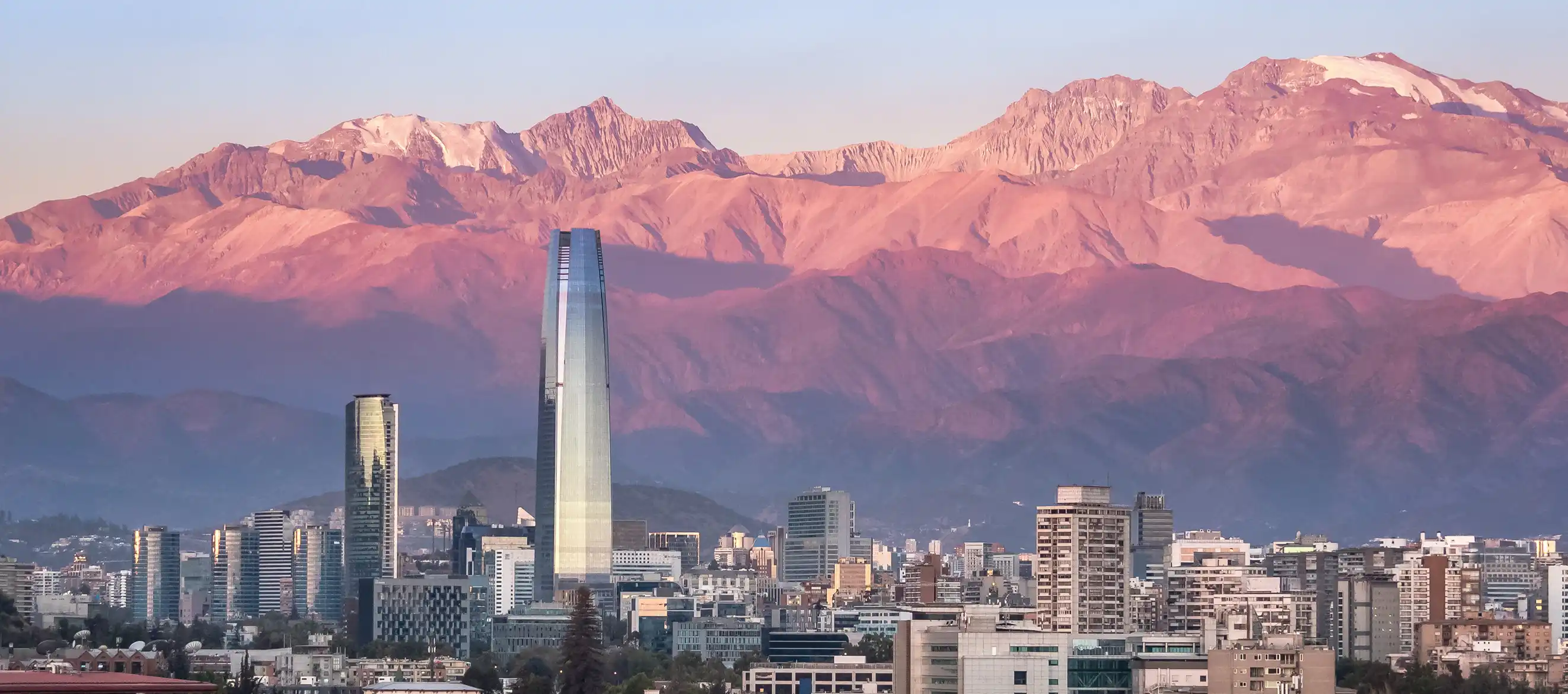
- Santiago, the Chilean capital, surrounded by mountains and which boasts a rich culinary and cultural scene.
- Punta del Este in Uruguay, known for its elegant beaches and vibrant nightlife.

Each destination offers a rich mix of culture, history, and natural beauty.

CLIMATE

Climate

South America exhibits a notable climatic diversity, from tropical climates in the Amazon to the cold of Patagonia. The best times to visit vary: spring and autumn are ideal for many regions. It is advisable to wear appropriate clothing for temperature variations and to check the specific climate of each destination.

currency

Currency

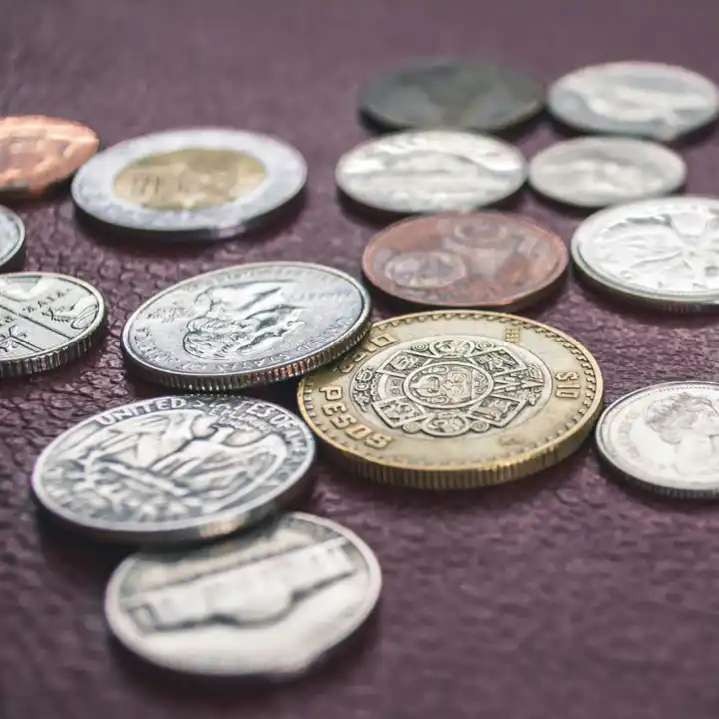
In South America, currencies vary by country; for example, the Argentine peso, the Brazilian real, and the Peruvian sol are common. Credit cards are widely accepted in cities and tourist establishments, but it is advisable to carry cash for markets and small businesses. Some ATMs offer services for international cards, so it is useful to check compatibility before traveling and consider withdrawing money at local banks.

CURIOSITIES

Curiosities

- Port of Valparaíso, Chile: Valparaíso is famous for its historic port, declared a World Heritage Site by UNESCO. Its colorful houses on the hills and vibrant street art make it a unique city. Tourists can enjoy rides on historic elevators that offer panoramic views of the ocean and the city.


-Salar de Uyuni in Bolivia: the largest salt desert in the world, which transforms into a spectacular mirror during the rainy season, creating impressive views.

- The Amazon: the largest tropical rainforest in the world, which spans several countries in South America and hosts extraordinary biodiversity, with thousands of species of plants and animals, many of which are yet to be discovered.

- The ancient city of Machu Picchu, considered one of the New Seven Wonders of the World, was built in the 15th century by the Incas and is located at 2,430 meters above sea level.

- The Carnival of Rio de Janeiro, Brazil: one of the largest and most colorful festivals in the world, known for its vibrant parades, samba music, and elaborate costumes full of feathers and sequins.

- Mate culture in Argentina: In Buenos Aires, the port is a meeting point for many tourists. Here, mate is more than a drink; it is a cultural tradition. Visitors can join locals at the port to share this yerba mate infusion, learning about its history and rituals.

- Port of Puno and Lake Titicaca: Puno, on the shores of Lake Titicaca, has a port that connects tourists with the floating islands of the Uros. These islands are made of totora and are inhabited by an indigenous community. Visitors can learn about their traditions and crafts while navigating in traditional boats.​

Do you have any questions about this cruise?

Contact us and we will guide you in everything you need.
We call you
Send question